



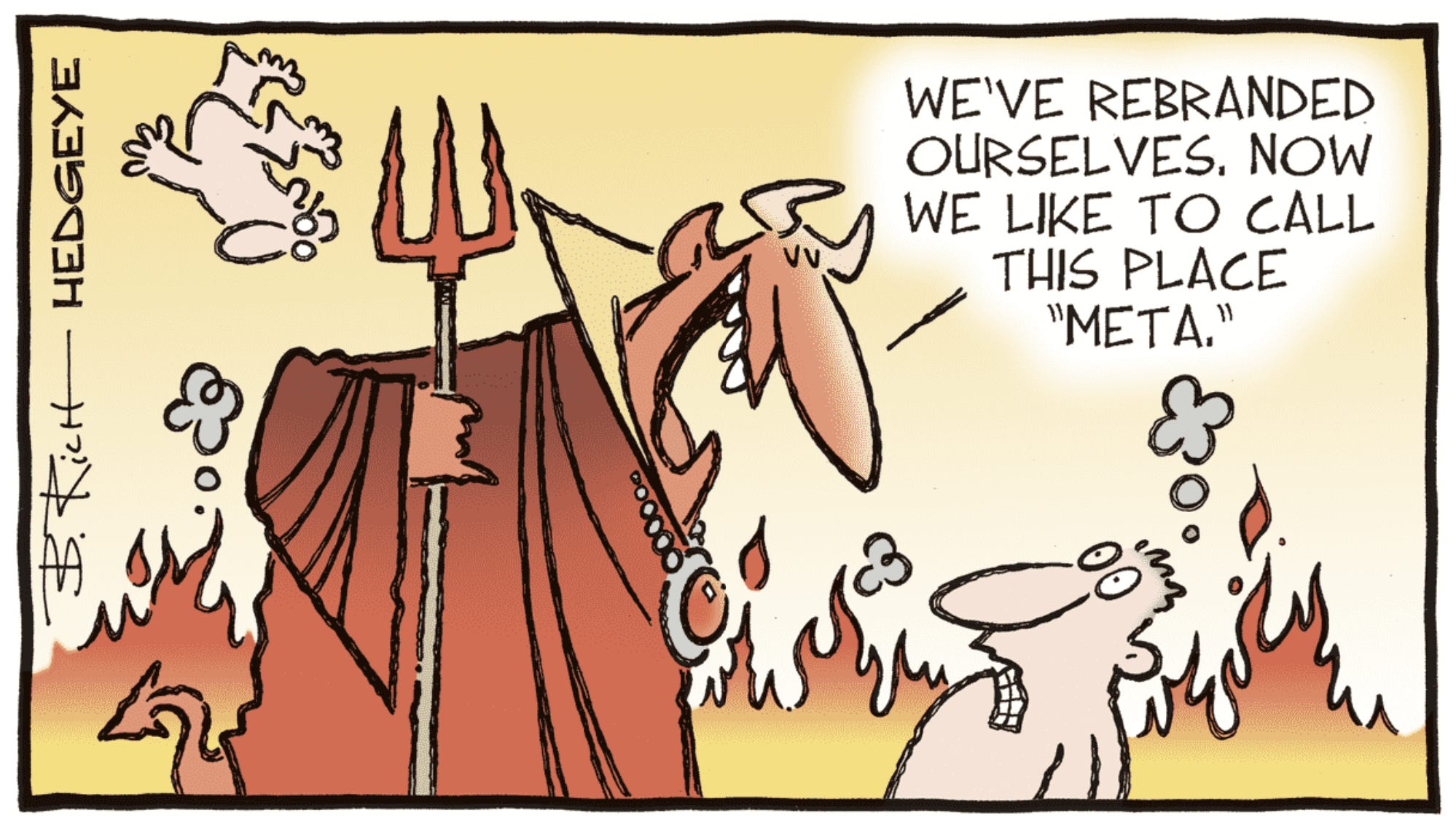
Time spent online is closely tied to how Americans see politics. The heaviest users consistently express the most hardline views.
According to a joint survey by the Kettering Foundation and Gallup, heavy social media use is associated with a darker and more extreme political outlook.
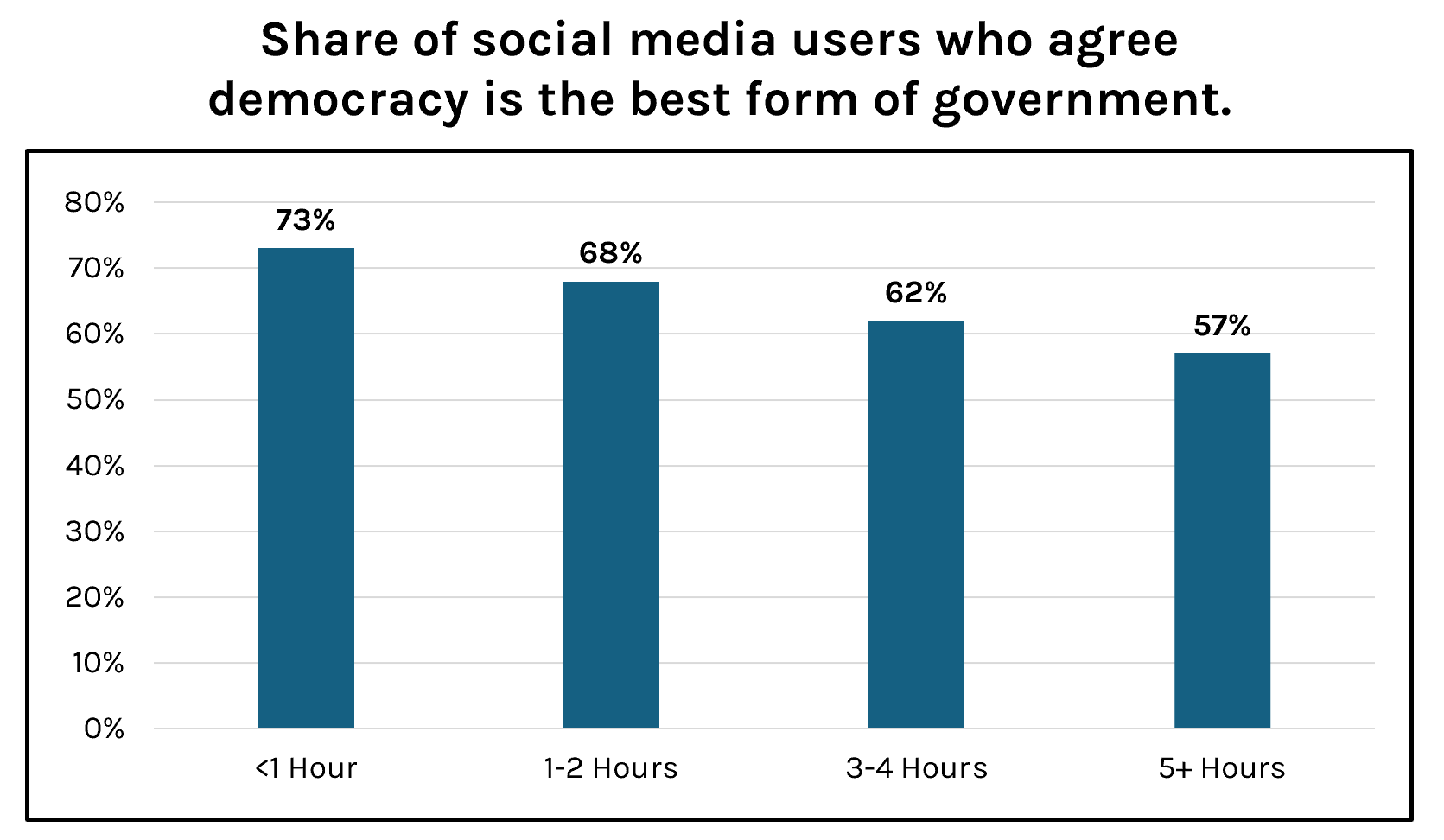
The divide is most visible in views on democracy. Among adults who spend an hour or less per day on social media, 73% say democracy is the best form of government. But among those who scroll for five or more hours, only 57% say the same. That’s a whopping 16 percentage point difference.
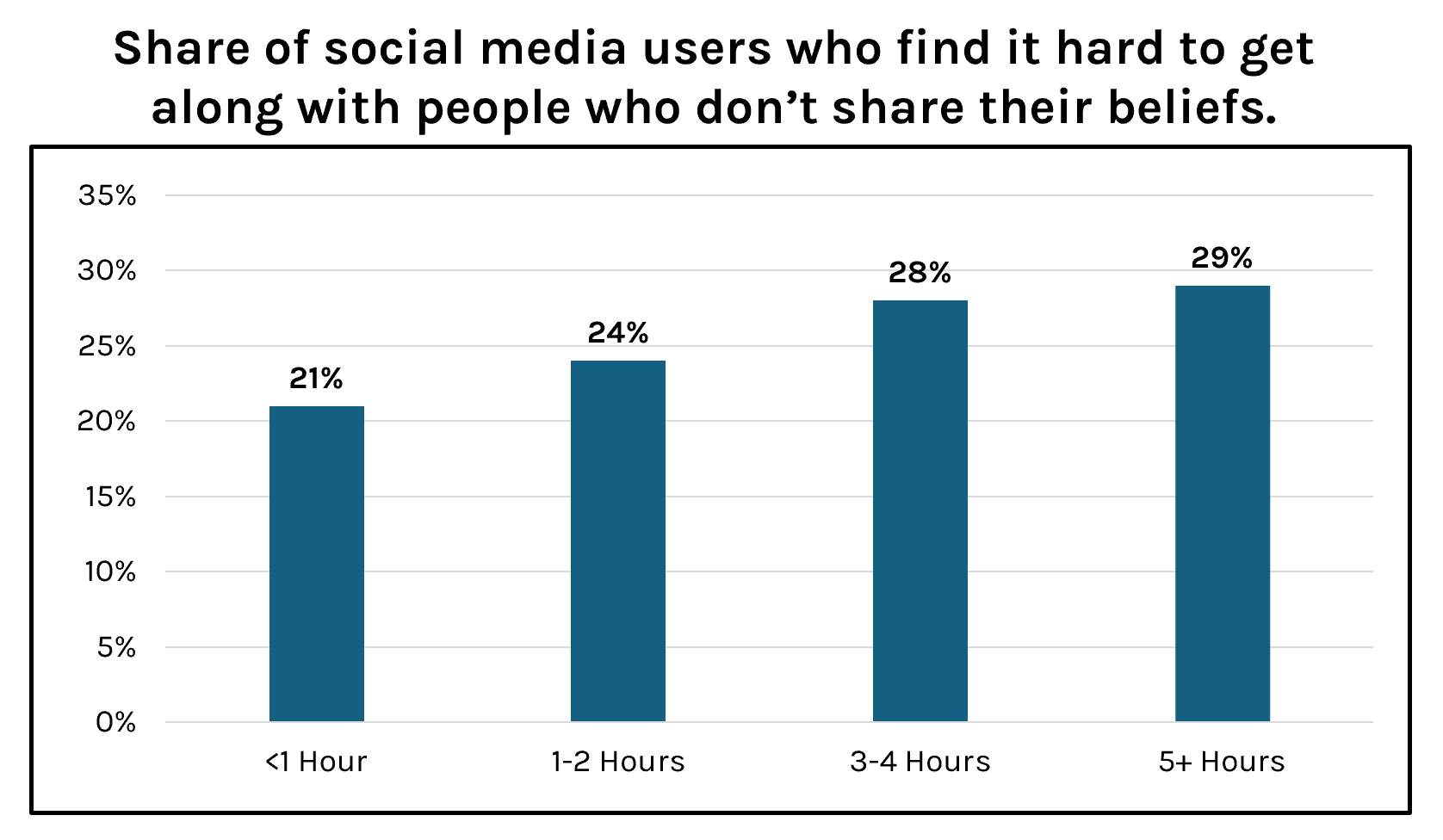
Heavy social media usage is also linked to greater tribalism. Just 21% of light users say they find it hard to get along with people who don’t share their beliefs, compared with 29% of heavy users. That’s an 8-point gap.
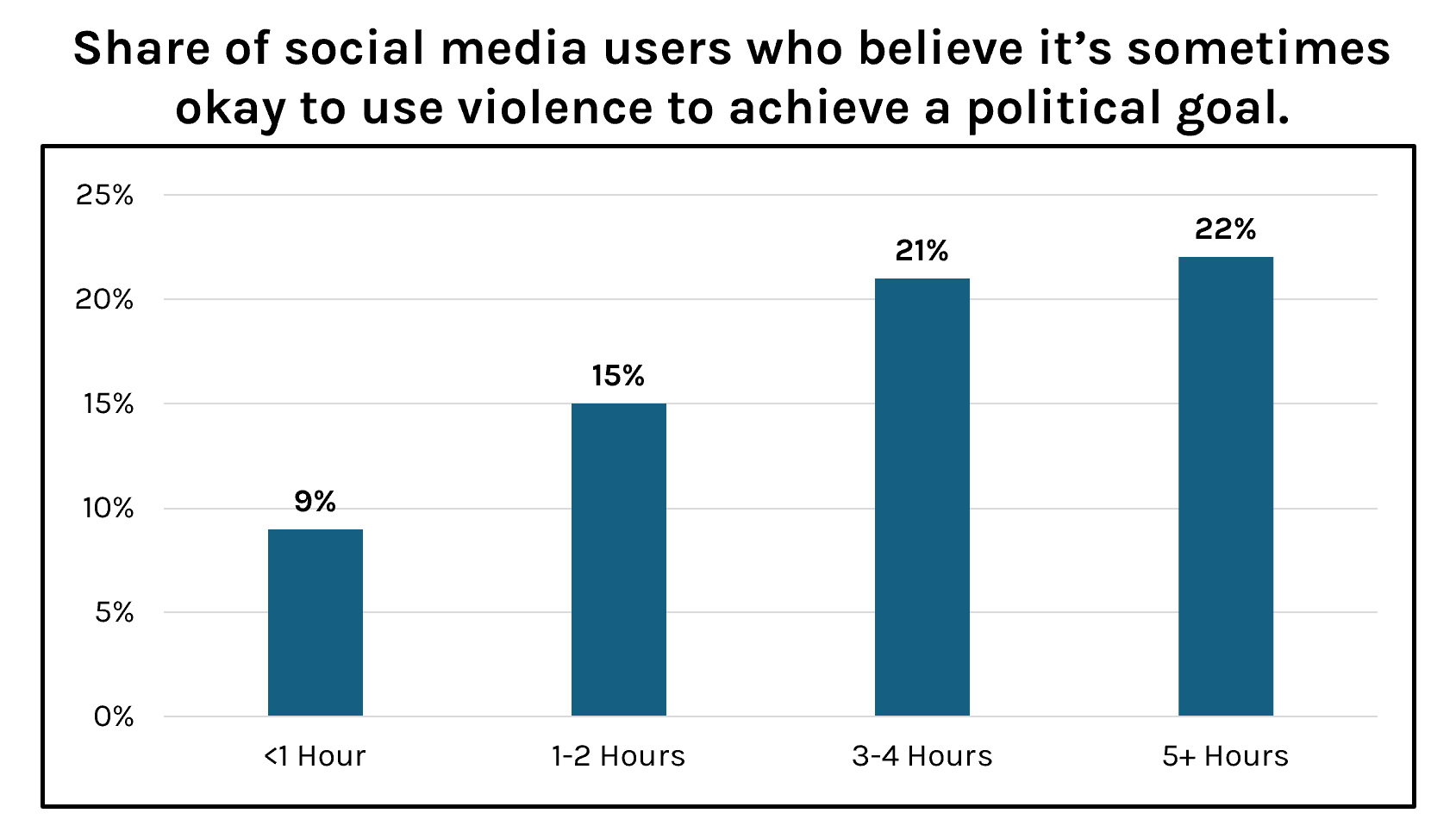
Most striking is the split in attitudes toward political violence. Only 9% of light users say it is sometimes acceptable to use violence to achieve political goals, versus 22% of heavy users. That’s a 13-point difference.
What explains these results? In part, it’s generational membership. Time spent on social media is a proxy forage. While this survey doesn’t provide crosstabs, we can assume heavy social media users skew young, while light users skew older. And these same divides show up consistently in age-based surveys.
In 2024, we highlighted a poll that found 42% of Americans ages 18–29 agreed that the country may need to resort to violence to get back on track, compared with just 11% of those 60+. (See “A Bleeding Ear, a Fist Pump, an Exit Post... and the Triumph of Populism.”) And a 2025 survey by the Manhattan Institute found that young people across both parties are more likely to endorse conspiracy theories, acknowledge racist views, and express negative attitudes toward minority religions.
Nevertheless, it’s easy to see how heavy social media use could reinforce more extreme views across all age groups. A small, highly vocal minority drives most online political content, and users tend to follow people they already agree with. The more time spent in that echo chamber, the more those views can harden. (See “Who’s Writing All Those Tweets?”)