



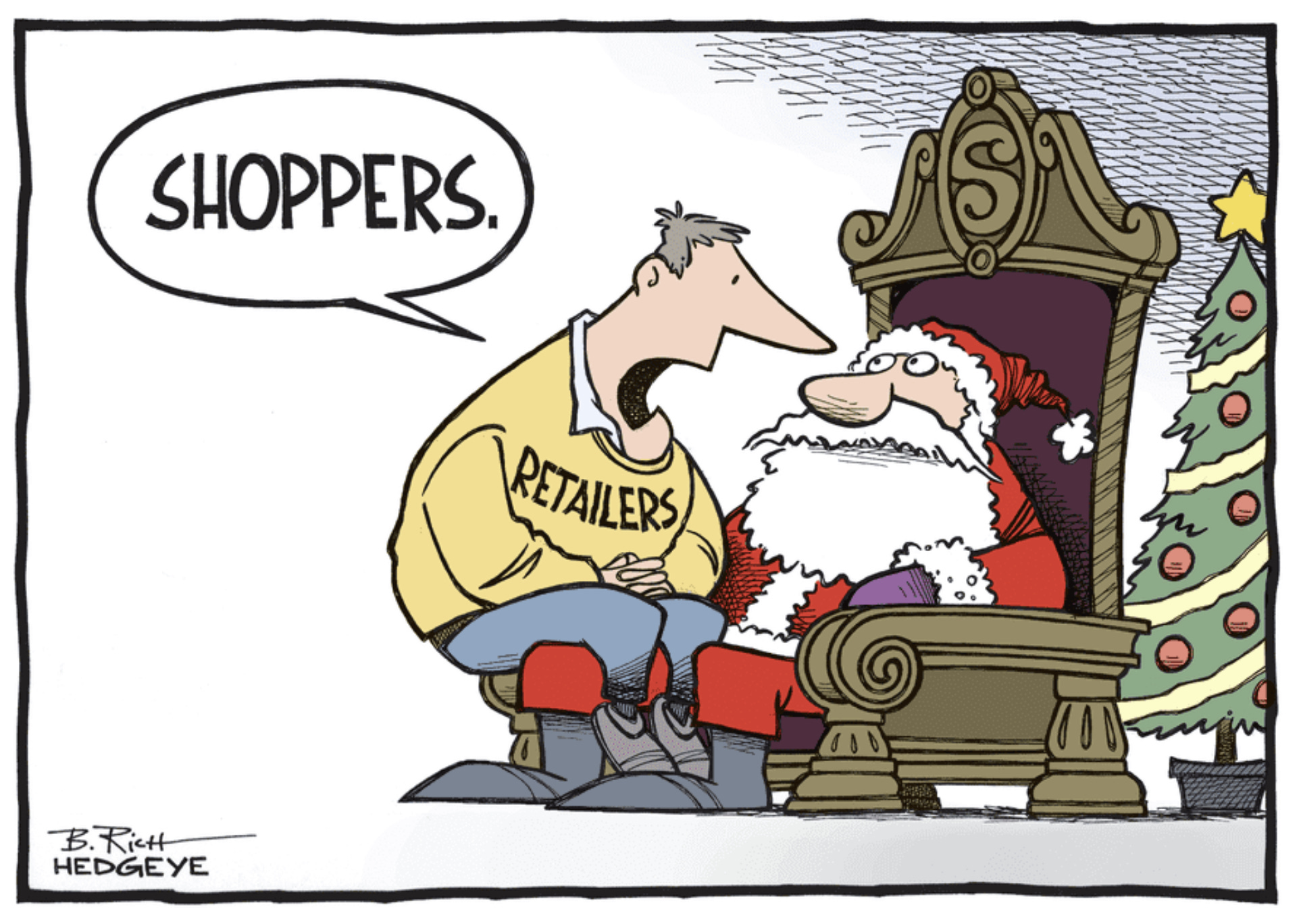
AI tools are quickly reshaping how people shop, especially younger consumers. But not all retailers are on board.
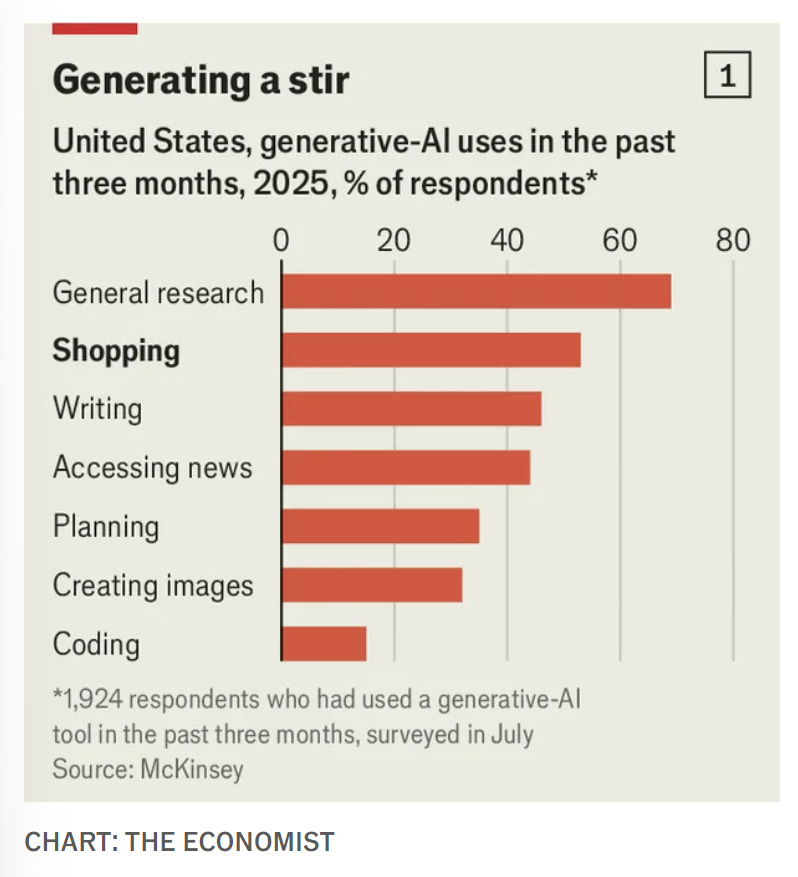
This holiday season, shoppers are increasingly turning to AI chatbots. A recent Shopify survey of high-income countries found that 64% of consumers plan to use AI tools while shopping. That figure jumps to 84% among those ages 18–24. A McKinsey study found a similar trend: Shopping is the second most prevalent use of generative AI, trailing only general research and ahead of writing.
Shoppers are using AI tools in a variety of ways, from hunting for discounts and coupons to discovering new products and comparing options. Chatbots tend to perform best when recommending items that have clear technical specifications, such as phones, and are less effective with subjective gifts, such as clothing.
Companies are moving quickly to capitalize on this trend. OpenAI has partnered with Shopify, Etsy, and Walmart to allow users to shop for their products directly through ChatGPT for a fee. Mizuho Financial Group estimates that about 4% of Walmart’s web traffic now comes from ChatGPT recommendations. Google has also introduced AI shopping tools that can call stores to check product availability, track items, and even complete purchases on behalf of users.
But not all retailers are on board. Amazon has blocked OpenAI from accessing its data. It’s also suing Perplexity, alleging that the company entered Amazon’s website disguised as a human user.
IMO, this trend could spark a renewed nostalgia for in-person shopping. As more parts of everyday life are absorbed by technology and the expanding capabilities of AI, brick-and-mortar stores, especially those dressed up with Christmas decorations, may start to feel warm and familiar again. We already know that young adults value tangible fandom and in-person community. (See “Millennials and Homelanders Ignite a New Trading Card Boom.”) That same desire for real-world connection may eventually extend to how and where they shop.