



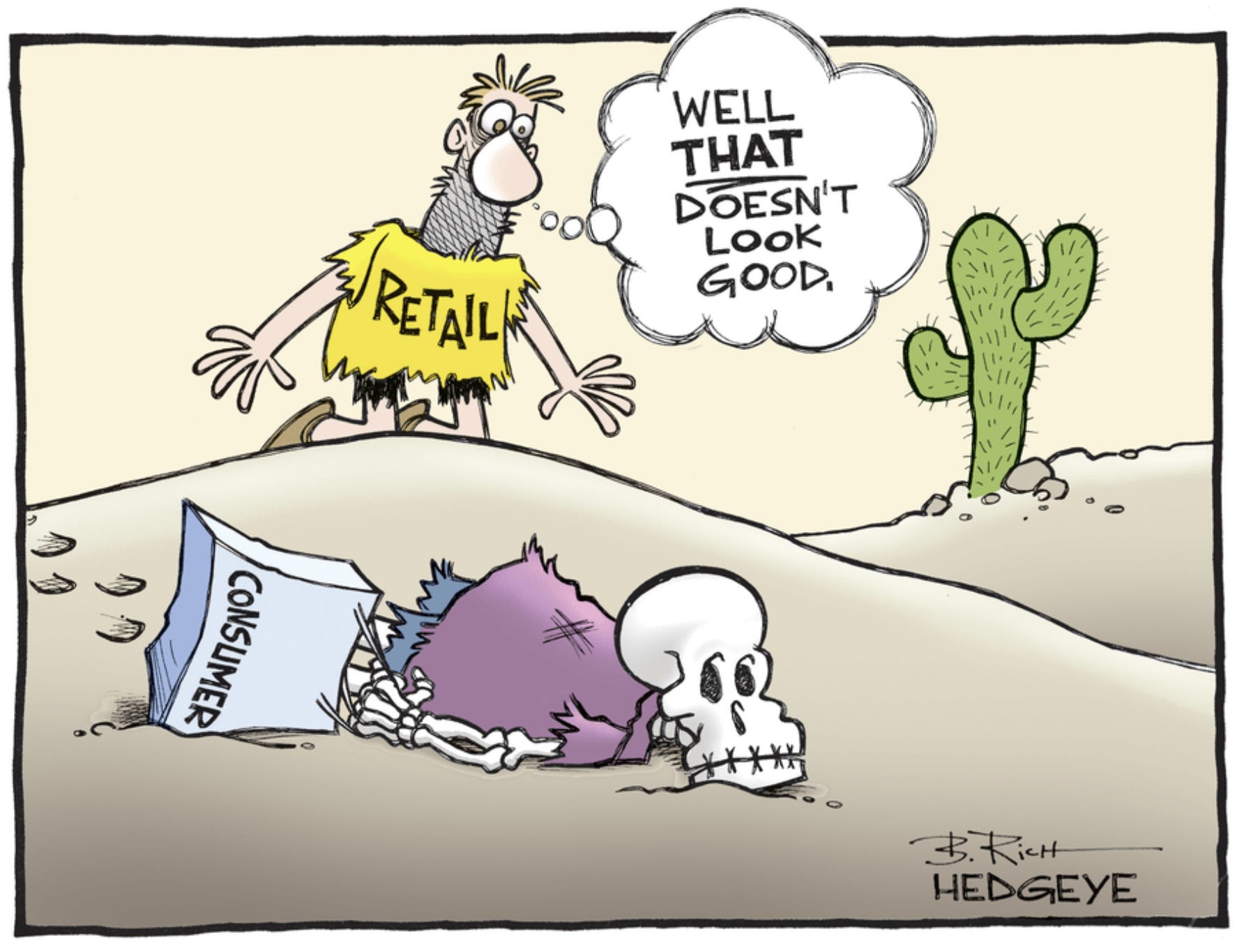
Millennial direct-to-consumer brands once promised to disrupt retail with sleek design and viral marketing. Now, higher costs and tighter capital are exposing the limits of that model.
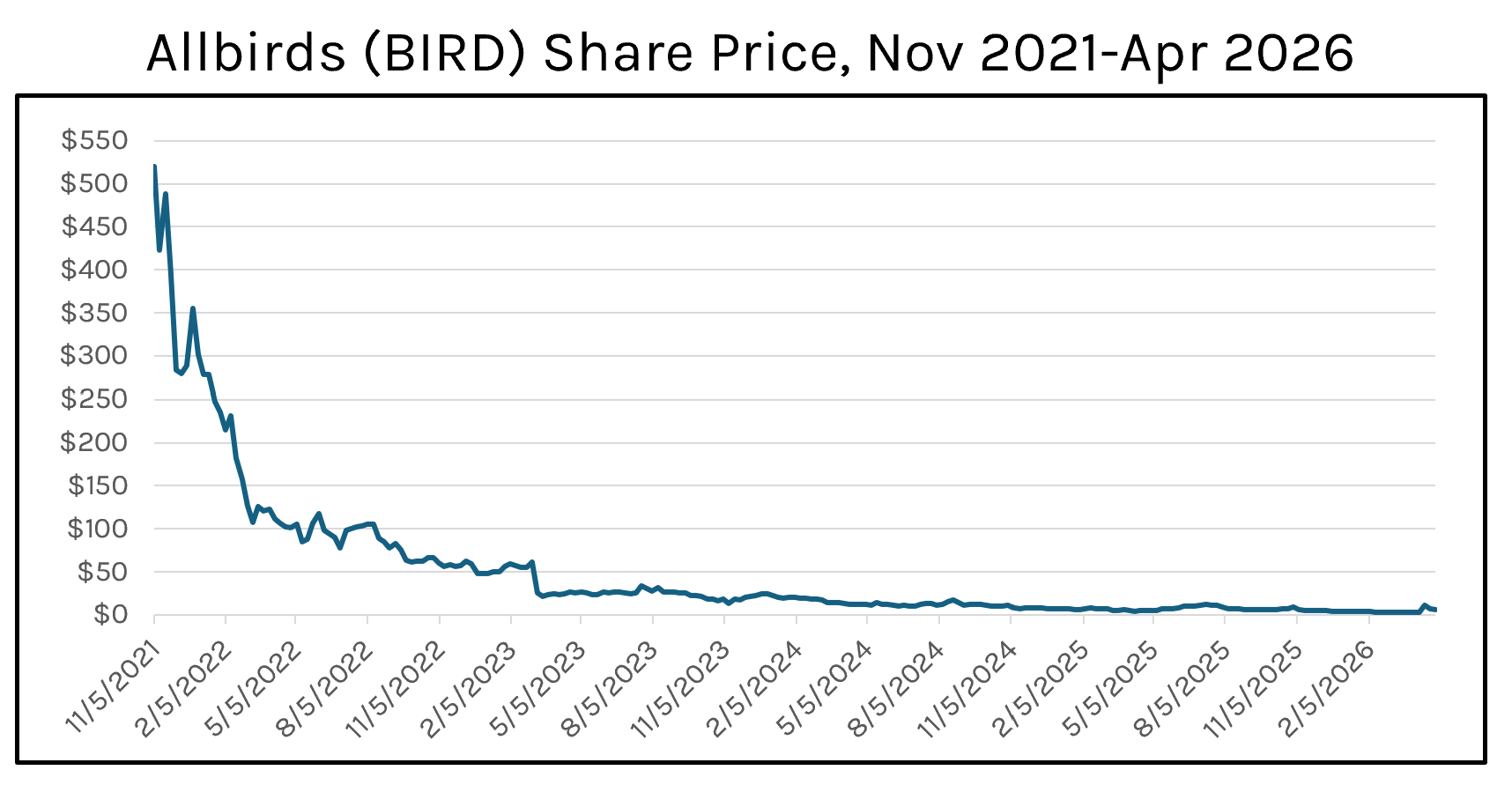
In the late 2010s, Allbirds (BIRD) was one of the hottest Millennial brands. Its eco-friendly wool sneakers became a staple among Silicon Valley tech workers. But since going public in 2021, the company’s share price has collapsed by a whopping -99%. Now, in a last-ditch effort, it plans to sell its core footwear business and pivot toward AI. Apparently, when all else fails, just add “AI” and hope the market forgets you used to sell shoes.
But Allbirds isn’t an outlier. It’s the latest casualty in a broader pattern: the rapid rise and fall of Millennial direct-to-consumer brands.
In the 2010s, a wave of startups bet they could bypass traditional retail and sell directly online to young consumers: Casper sold online mattresses, Warby Parker glasses, Allbirds shoes, Dollar Shave Club razors, and Glossier makeup.
Just as important, they turned their customers into marketers. Sleek design and packaging fueled a constant stream of social media posts and unboxing videos, creating free advertising at scale. At their peak, many of these companies reached billion-dollar valuations.
That playbook is now breaking down, and the unwind has been swift. Casper went public in 2020, only to go private two years later after its valuation fell roughly -70%. Unilever bought Dollar Shave Club for $1 billion in 2016, then sold it in 2023 for significantly less. And Glossier has explored selling its business, but without success.
So what changed? First, the easy money disappeared. As interest rates rose, venture capital pulled back from consumer brands and shifted toward AI. At the same time, digital advertising became more expensive and saturated, eroding one of the core advantages of the direct-to-consumer model.
Competition has also intensified. A new generation of brands is being launched by celebrities and influencers who already command massive online audiences. Instead of relying on customers to generate buzz, these companies arrive with built-in distribution from day one.
The result is a far tougher landscape. Higher customer acquisition costs, tighter capital, and stronger competition are squeezing the very model that once defined Millennial consumer startups. The question is no longer whether these brands can scale. It’s whether they can survive.
"Apparently, when all else fails, just add “AI” and hope the market forgets you used to sell shoes." Amen.