



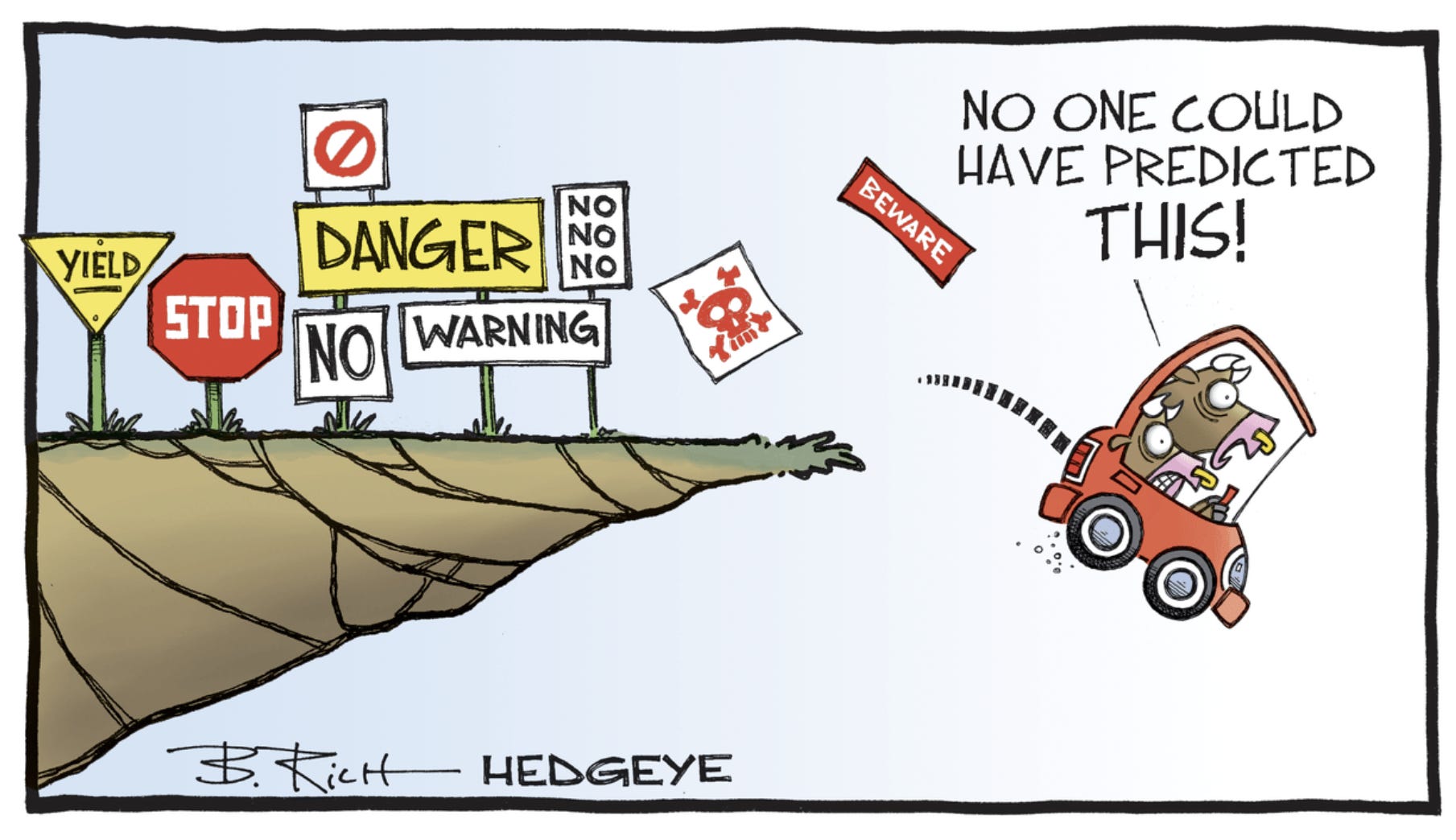
Prediction markets have grown nearly 30-fold over the last two years. Sports betting is driving much of that expansion.
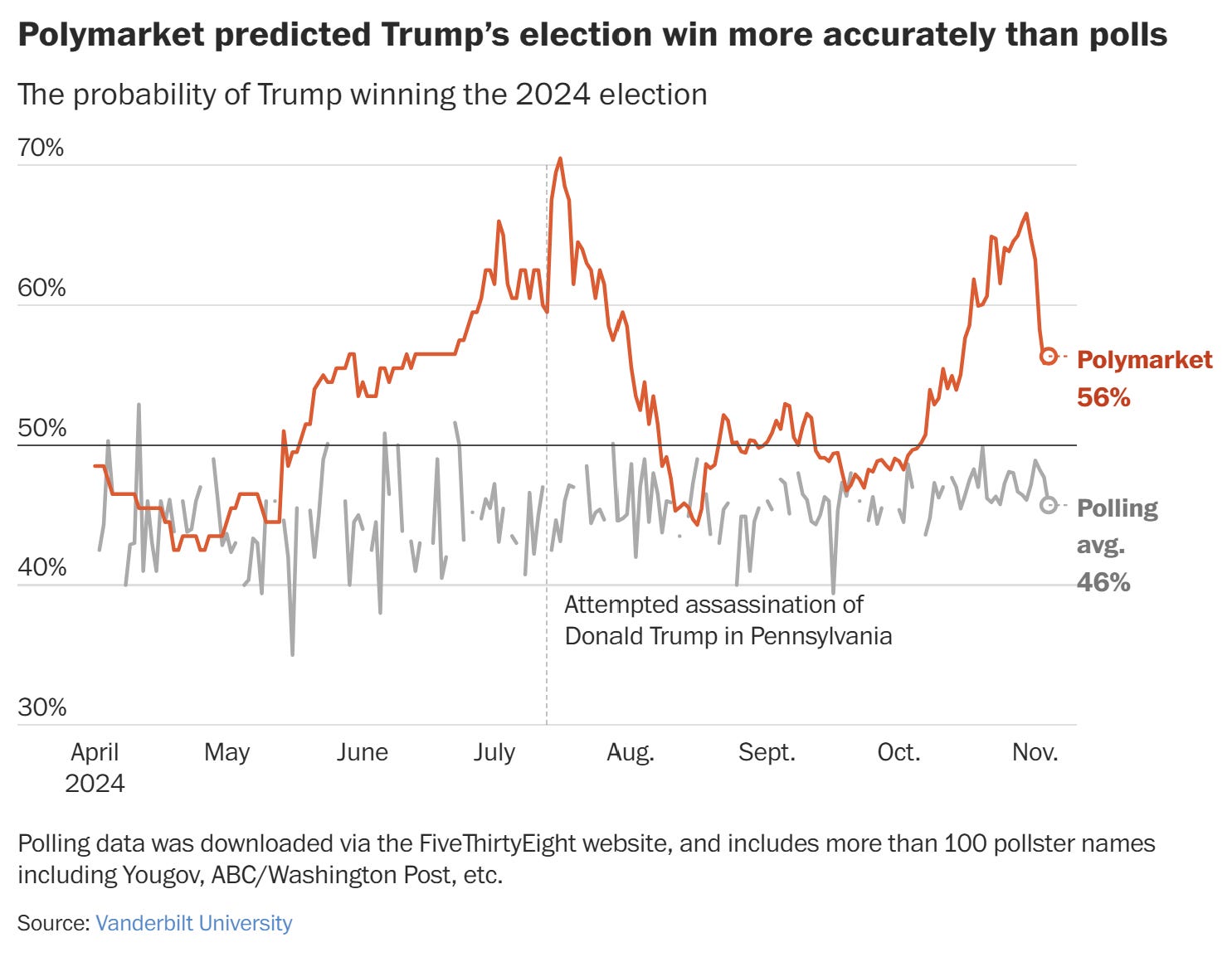
In the months leading up to the 2024 presidential election, prediction markets went from a niche curiosity to a mainstream obsession. Many observers argued that the “wisdom of the crowd” might prove more reliable than traditional polling. In the end, prediction markets favored Trump, even as most polls showed Kamala Harris holding a narrow lead.
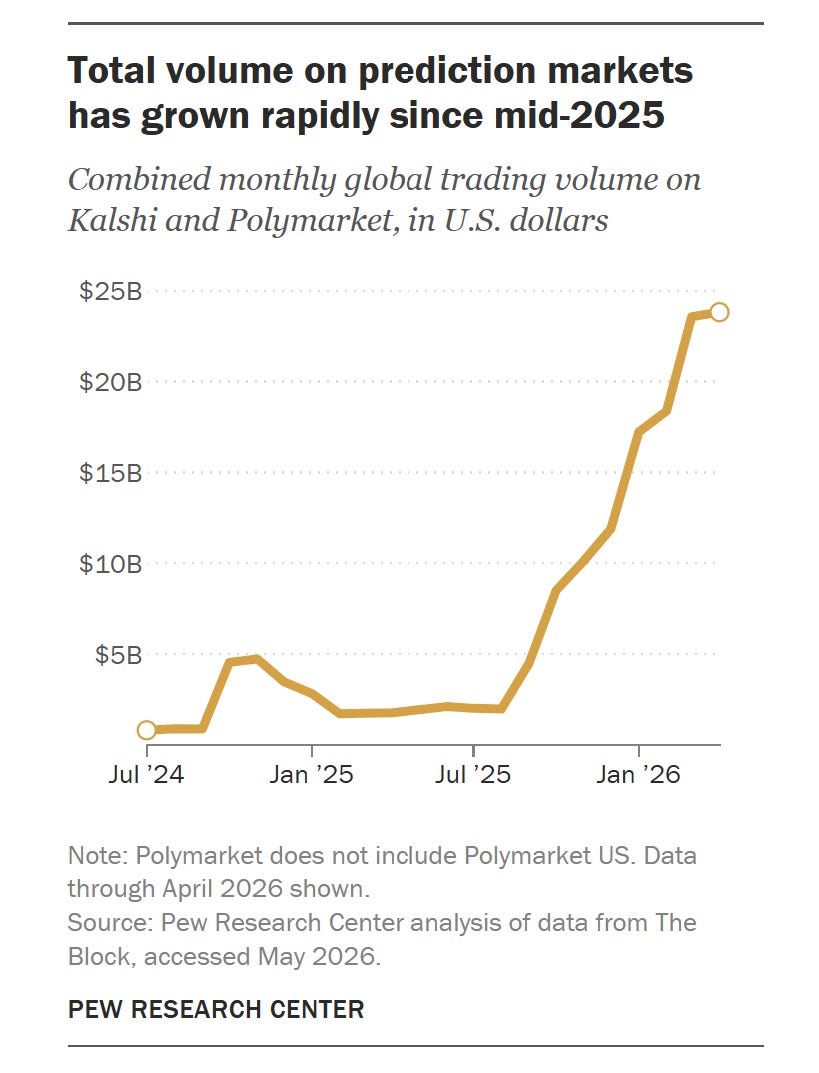
Since then, prediction markets have exploded in popularity. According to a new Pew report, combined global trading volume on Kalshi and Polymarket International, the world’s two largest prediction markets, totaled $810.2 million in July 2024. By April 2026, that figure had surged to $23.8 billion, an increase of 2,838% in less than two years.
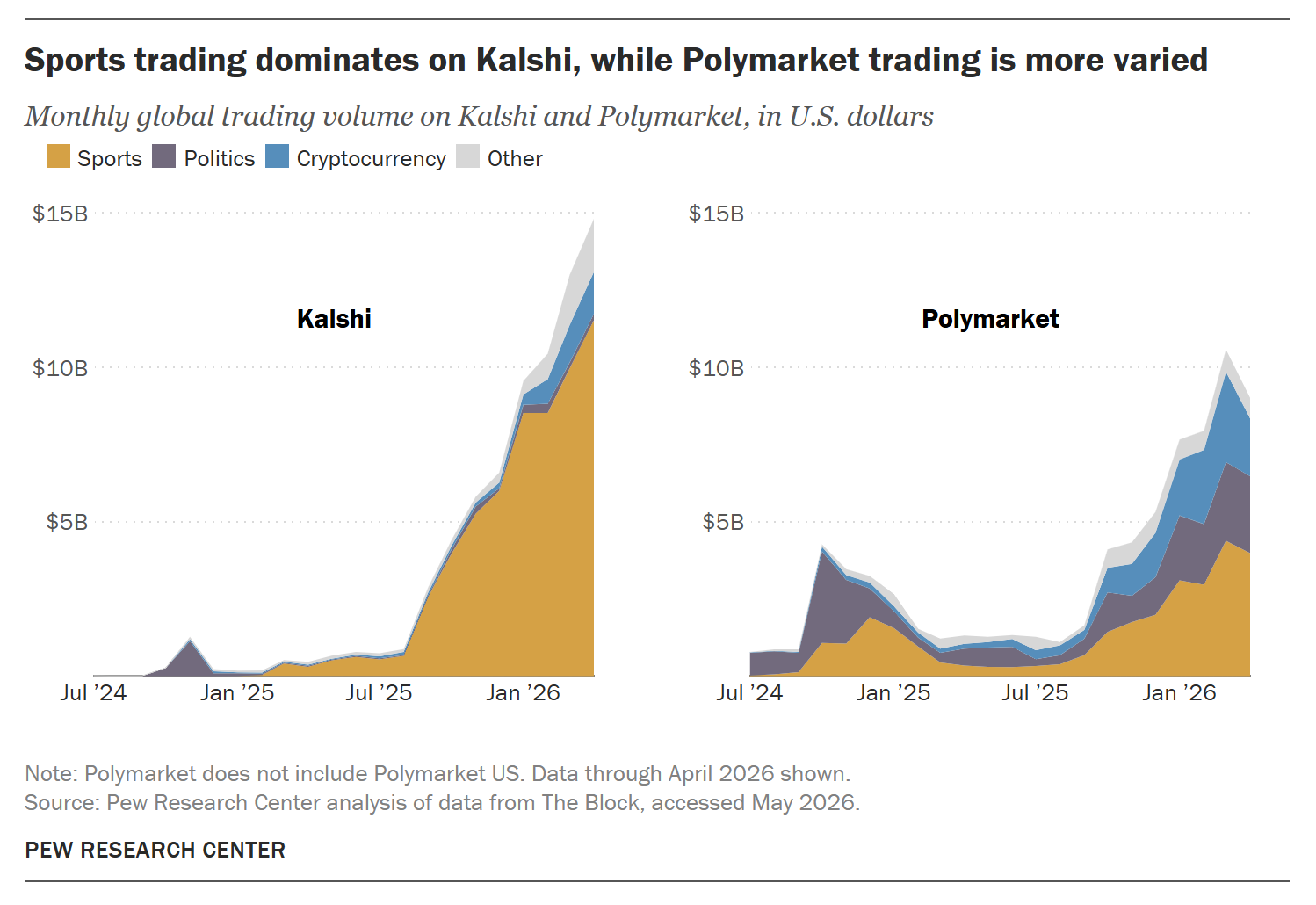
Despite the attention prediction markets receive for political forecasting, sports betting is the industry’s primary growth engine. Since July 2024, sports-related contracts have accounted for 39% of all trading volume on Polymarket and an even larger 80% on Kalshi. Politics ranks second on Polymarket, making up 32% of trading volume, compared with just 7% on Kalshi.
Sports and political markets are highly event-driven. Trading activity tends to surge around major elections, championship games, and other headline-making events.
Prediction markets are increasingly competing with online sportsbooks like FanDuel and DraftKings. Unlike traditional sportsbooks, they can operate in states where sports betting is still illegal, such as California. They also appeal to newcomers by stripping away much of the jargon. Rather than navigating point spreads, parlays, and complex odds, users typically make a simple binary prediction: who wins and who loses. (See “Sharps and Beards: The Wacky World of Online Sports Betting.”)
The threat is significant enough that DraftKings has launched its own prediction market platform. Despite the move, the company's stock has fallen more than 30% over the past year. For now, investors view prediction markets as a disruptive force rather than a complementary product.
What an interesting idea to have a prediction tool. Like an insurance actuarial product, a weather pattern, or an almanac. Great article.