



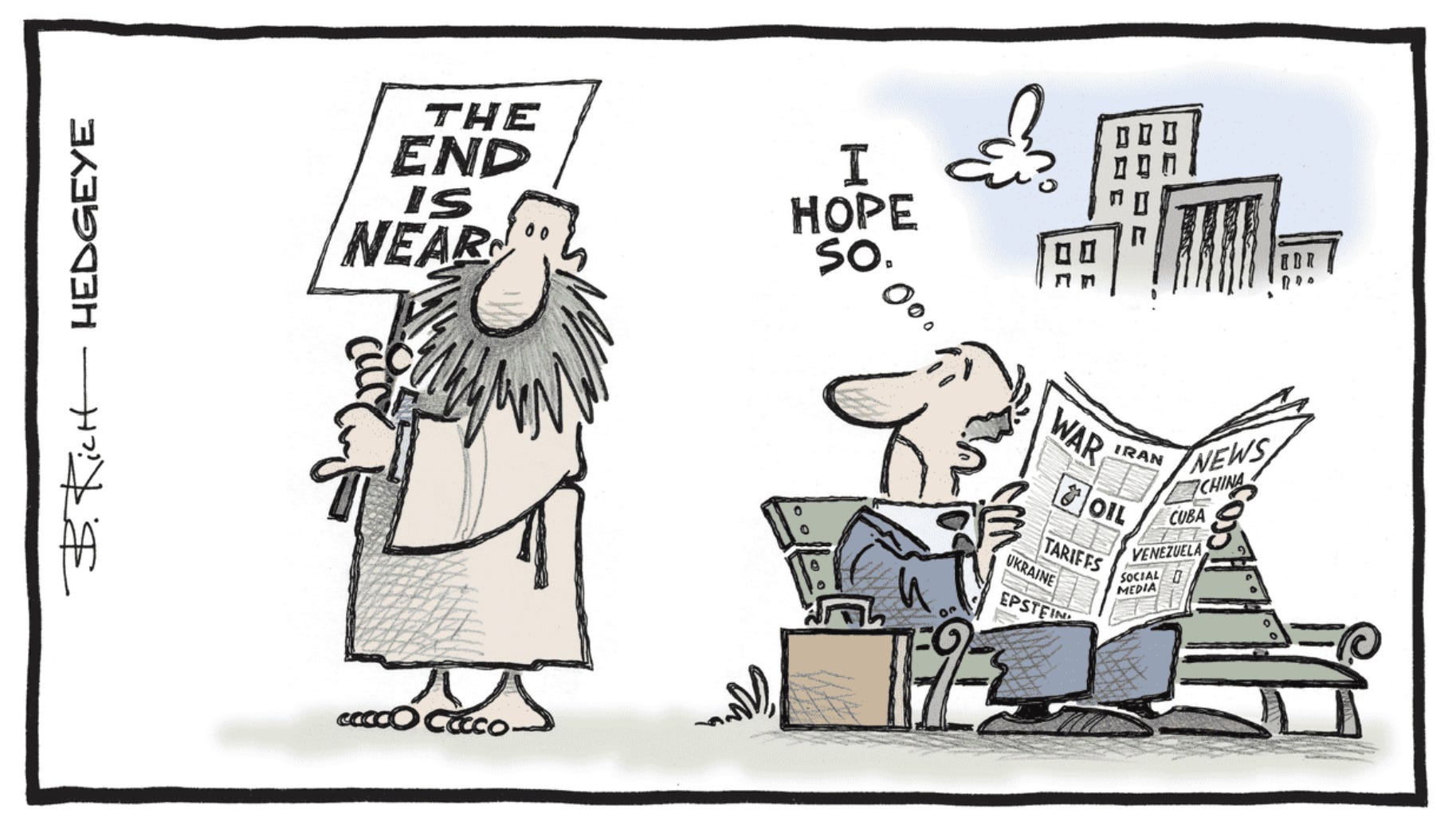
A majority of Americans now support a youth social media ban. And they aren't alone: 26 countries have already implemented, passed, or are actively debating similar legislation.
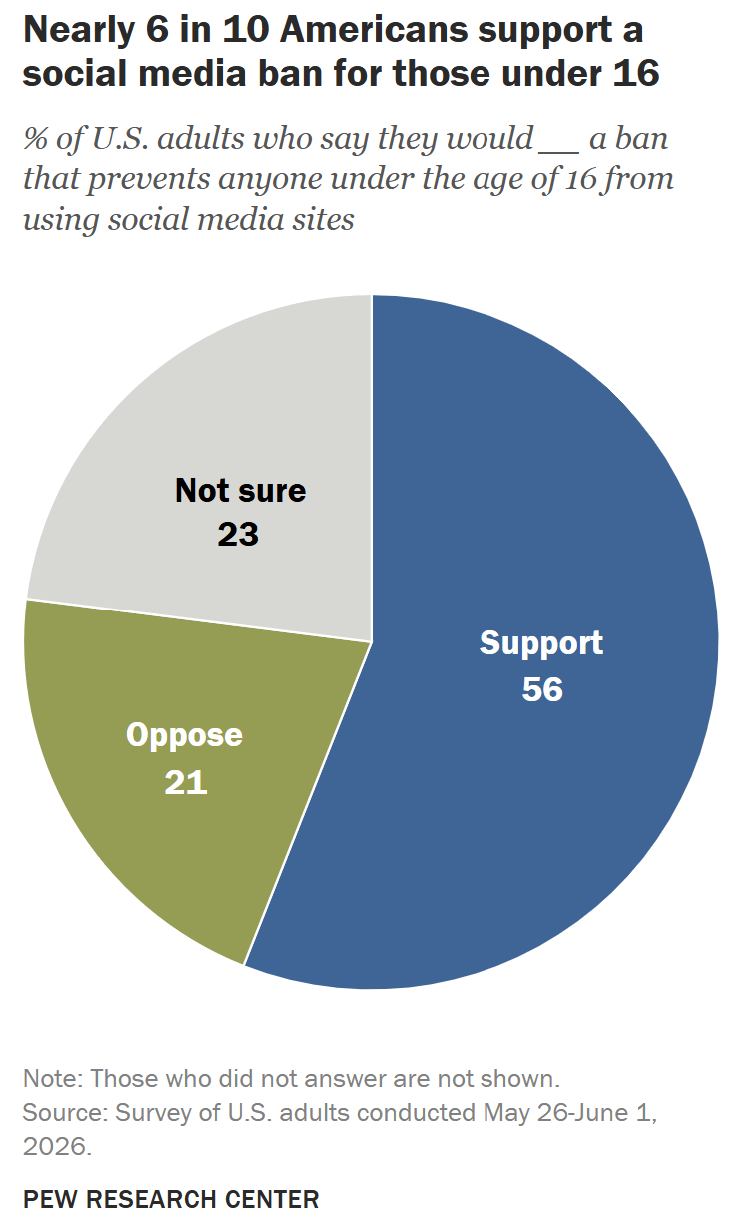
It's no secret that many parents are concerned about how much time young people spend online. Now, a majority of Americans want government action. According to a new Pew survey, 56% of US adults support banning social media for children under 16, while just 21% oppose such legislation.
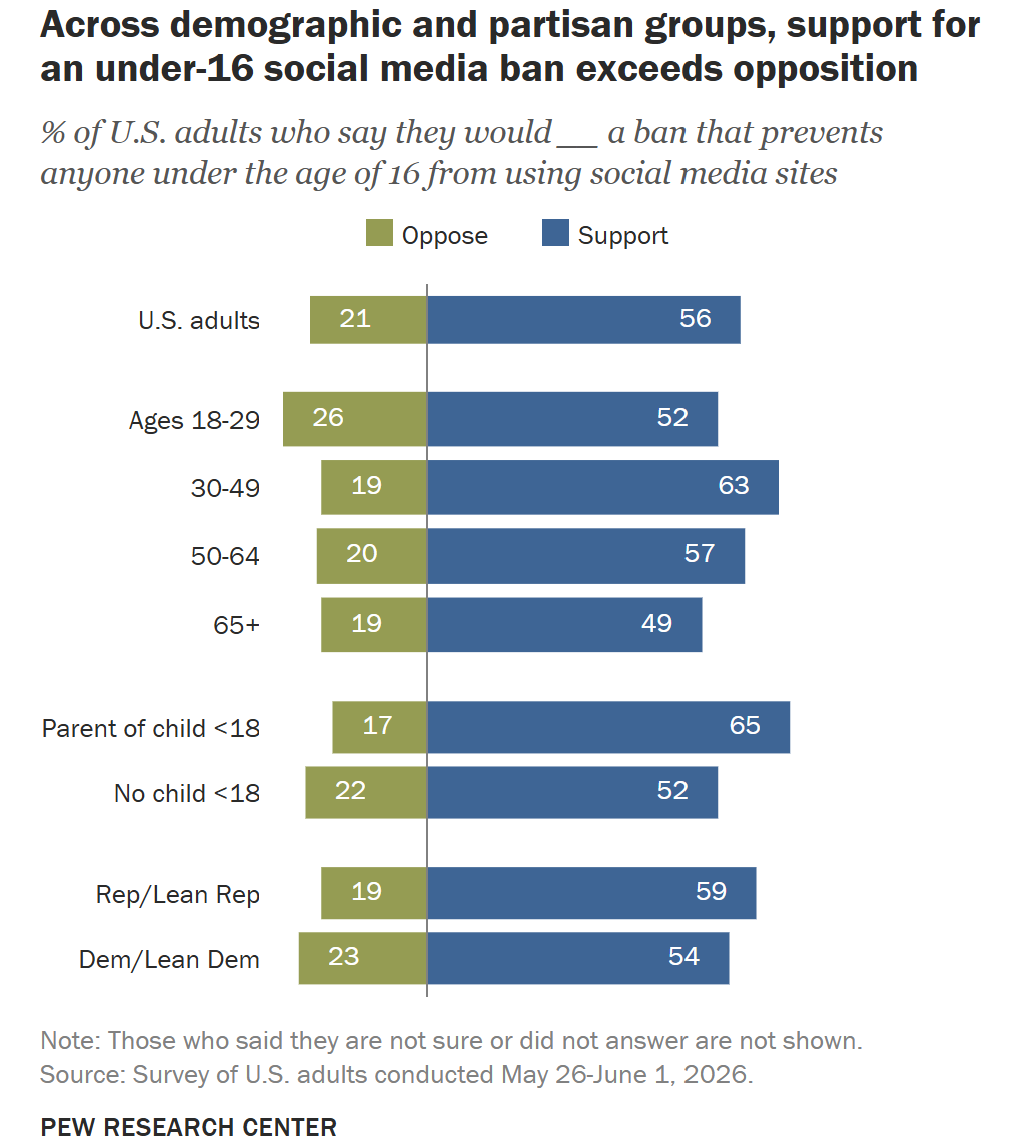
By demographic group, parents with children under age 18 are, unsurprisingly, the strongest supporters of a ban (65%). Adults ages 30–49 rank second (63%). This cohort is not only the most likely to be raising young children, but it was also the first generation to grow up alongside social media. As a result, many have firsthand experience with its downsides.
Support also spans the political spectrum. Republicans are somewhat more likely than Democrats to favor a ban (59% vs. 54%), but majorities of both parties support the idea. In an era of deep political polarization, tech-lash is one of the few issues that commands broad bipartisan agreement. (See “Tech-Lash Intensifies.”)
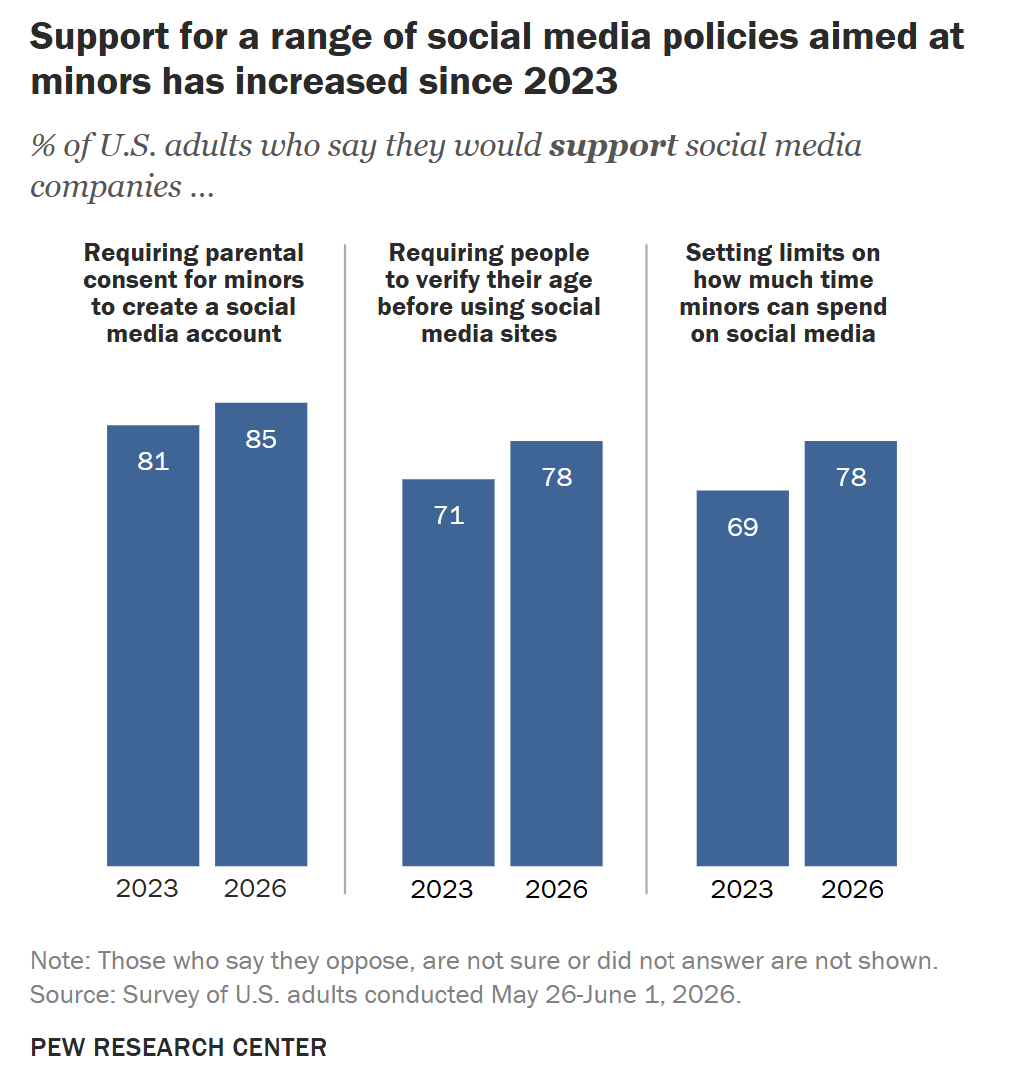
Because this is the first time Pew has asked about a youth social media ban, it's impossible to say whether support has risen or fallen over time. However, Pew has found growing support over the past three years for policies such as parental consent requirements, age verification, and time-limit settings.
Around the world, seven countries have already implemented youth social media bans, with Australia the most prominent Western example. Three others, including France and the United Kingdom, have passed similar legislation but have yet to enforce it. Another 15 countries, along with the European Union, are actively debating comparable proposals.
Enforcement may prove difficult, but the political momentum is unmistakable. Parents are demanding action, and governments are increasingly willing to act.