



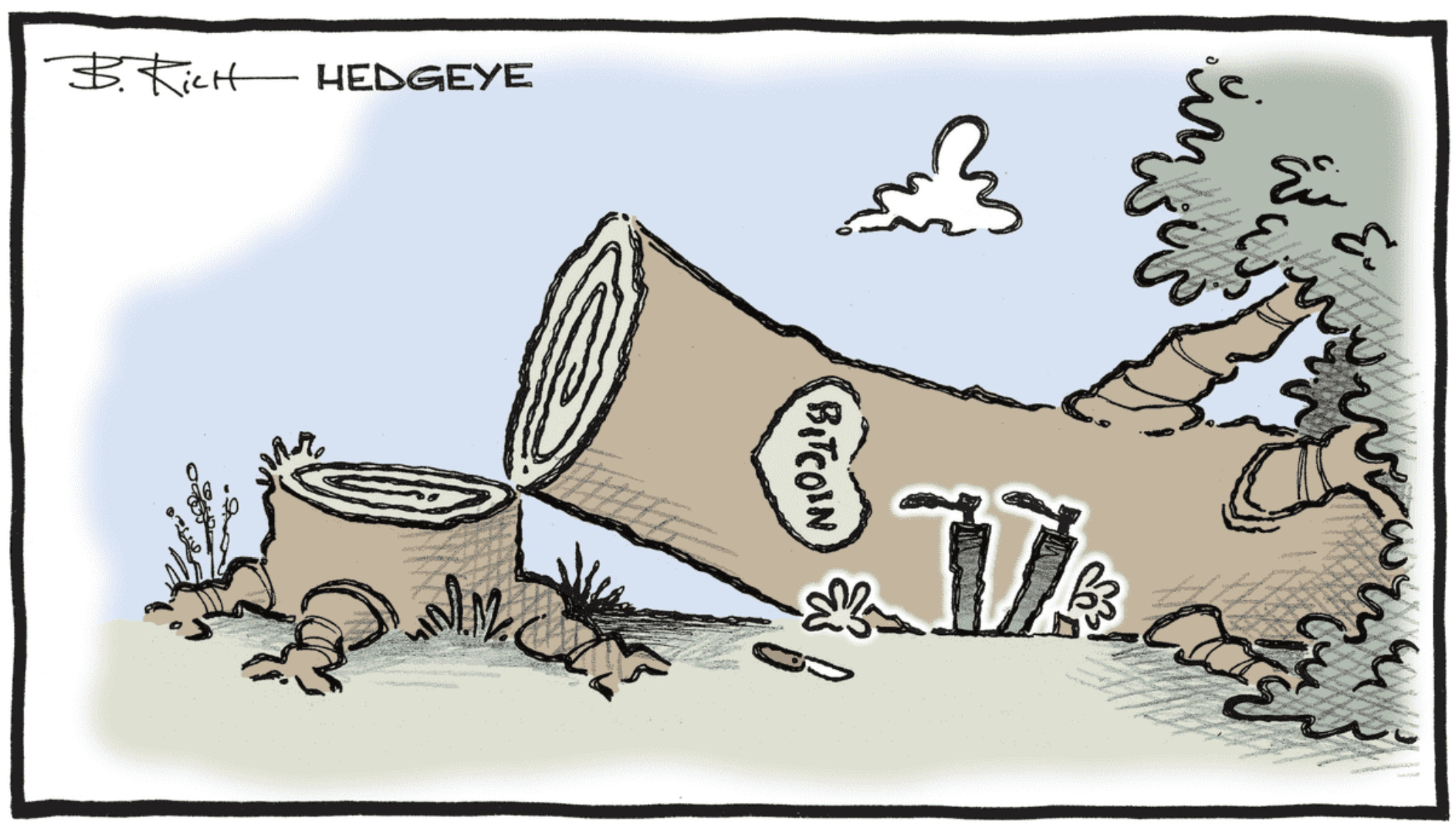
From crypto to prediction markets, young Americans are embracing higher-risk bets. Behind the shift is a growing belief that the old playbook no longer works.
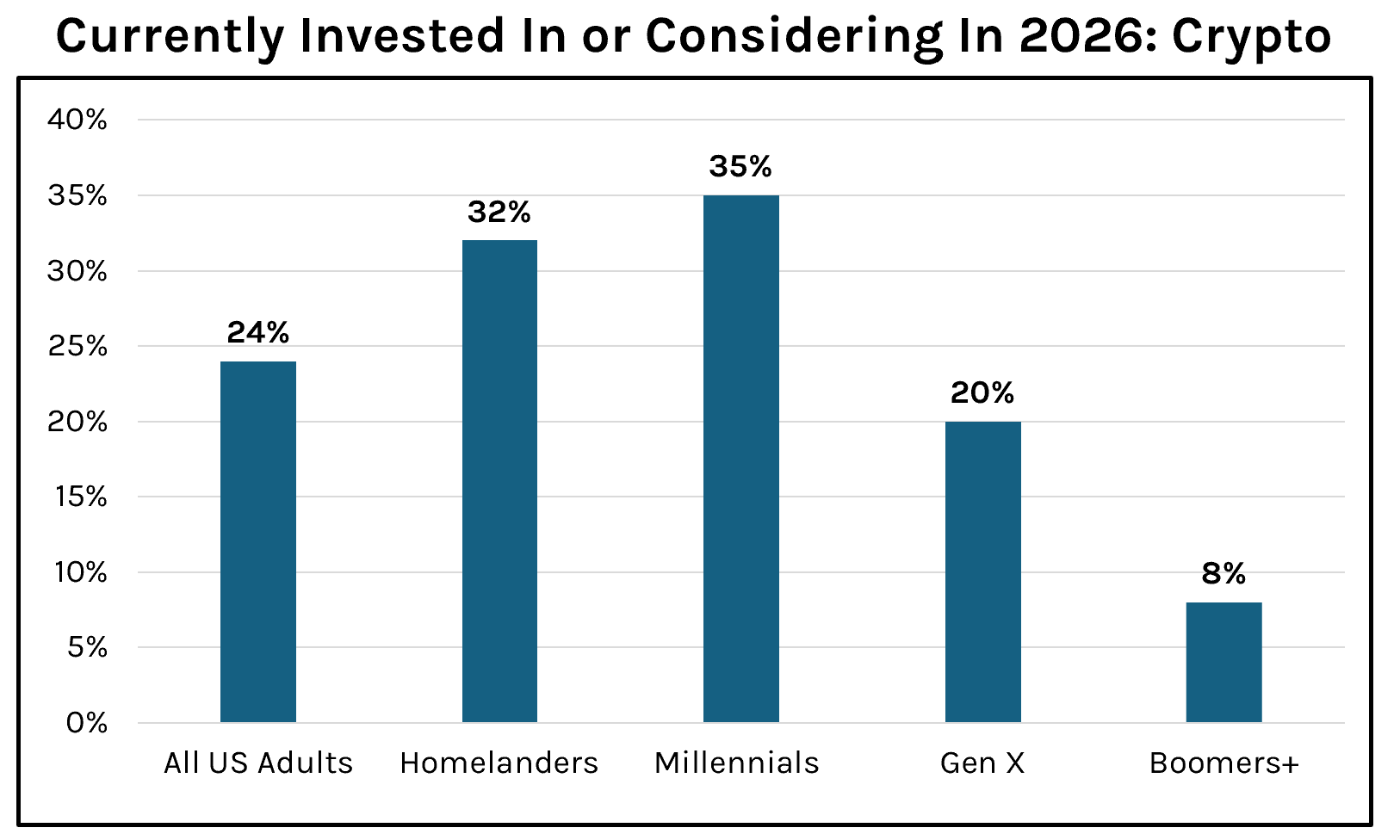
According to a new survey by Northwestern Mutual, young adults are far more likely to dabble in speculative assets than older generations. For example, 35% of Millennials and 32% of Homelanders are invested in crypto or plan to do so in 2026, compared with 24% of all adults. That’s a gap of +11 and +8 percentage points, respectively.
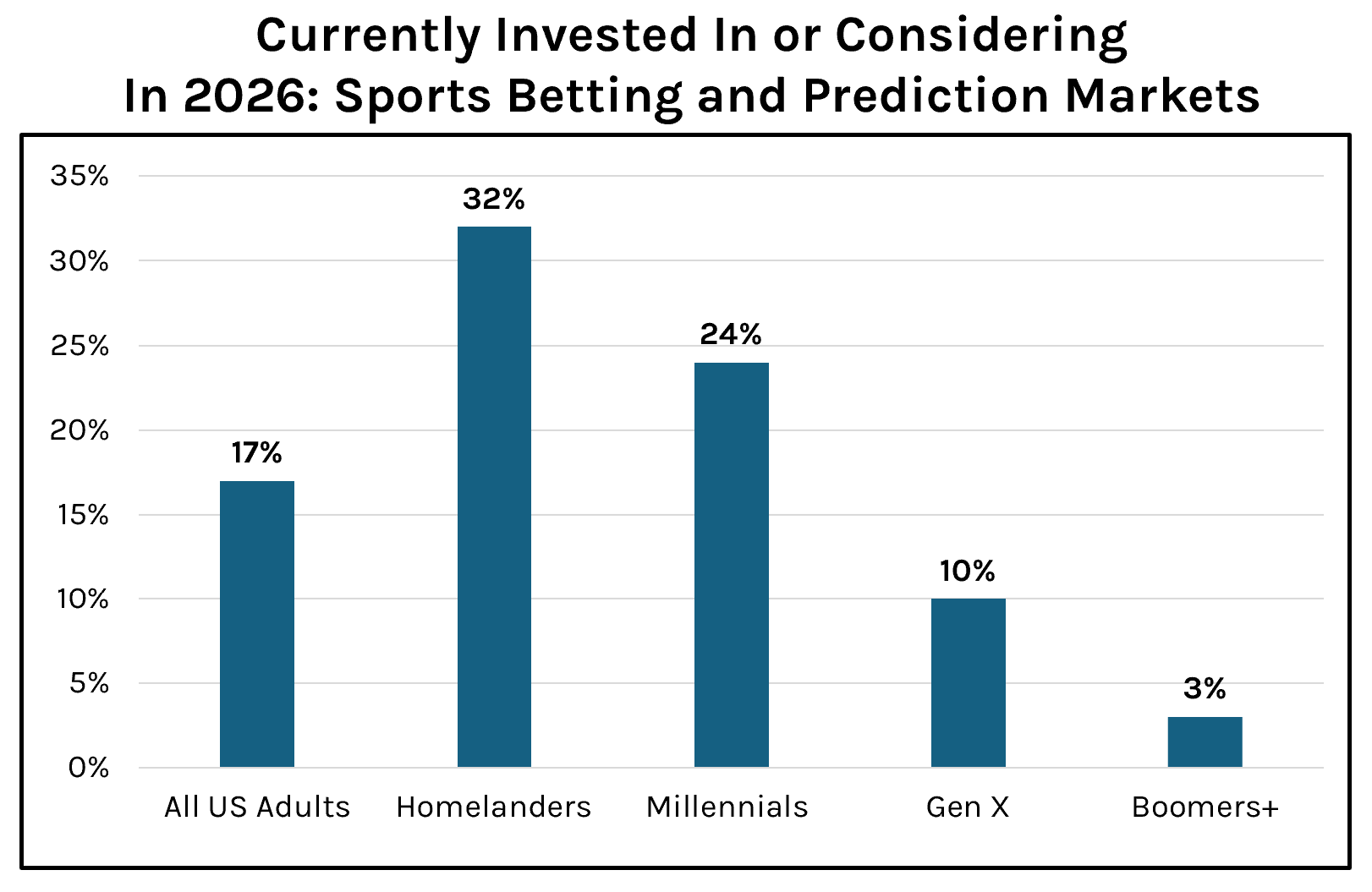
The gap is even larger in sports betting and prediction markets. Some 32% of Homelanders participate, compared with 17% of all US adults. That’s a difference of +15 percentage points. And that gap may be widening.
Prediction markets are dominated by young men, but companies are working to broaden their appeal. To attract young women, platforms are increasingly offering bets tied to pop culture, from music charts to reality TV outcomes. The strategy appears to be working. Over the past 10 months, Kalshi has doubled its share of female users from 13% to 26%.
At first glance, these results may seem surprising. Millennials and Homelanders are known for their risk aversion. So why are they investing in high-risk assets? They do not view these bets as random lottery tickets. Instead, armed with data, algorithms, and their own intuition, many believe they can beat the system. (See “Sports Betting on the Rise.”)
That confidence may fade with experience. Early signs are already visible in sports gambling. While young men are the most likely to place bets, they have also recorded the largest increase in concern about its effect on society and on their own emotional health. This likely reflects their more direct exposure to the downsides. (See “The Sports Betting Backlash Has Begun.”)
I’m curious too…
Gen Z / Homelander
“As Mr. Howe made clear in the most recent book, those are not the same thing! (Or has Mr. Howe's thinking on this matter changed?”
Been waiting to hear how those of us who follow the Strauss-Howe theory can make sense of the ending of the MILLENNIAL CYCLE and the coming of the next one.
Are so called “gen alpha” just the late wave Homelanders?
Tell us more, Team Howe! LOL, seriously, tell us more, please.
Ummm... So I sought out the original study and saw that it used what's become the conventional generational label of "Gen Z." But the graphs above substitute "Homelander." As Mr. Howe made clear in the most recent book, those are not the same thing! (Or has Mr. Howe's thinking on this matter changed? Kinda crazy to think the marketing industry successfully created a dividing line almost a decade earlier than where it belongs otherwise!)
Furthermore this writeup seems to deliberately downplay younger generations' motivations for pursuing riskier assets. From the study: "73% say they’re doing so because they feel financially behind and think those investments offer a faster path to their goals than traditional methods." They might well feel these assets are lottery tickets... but they also feel they have no choice.